Recovery for working bodies · St Albans · Hertfordshire
Your job works your body. Recovery should not be an afterthought.
Focused recovery therapy for builders, labourers, tradespeople, drivers, desk workers and anyone whose job repeatedly loads the same muscles every day.
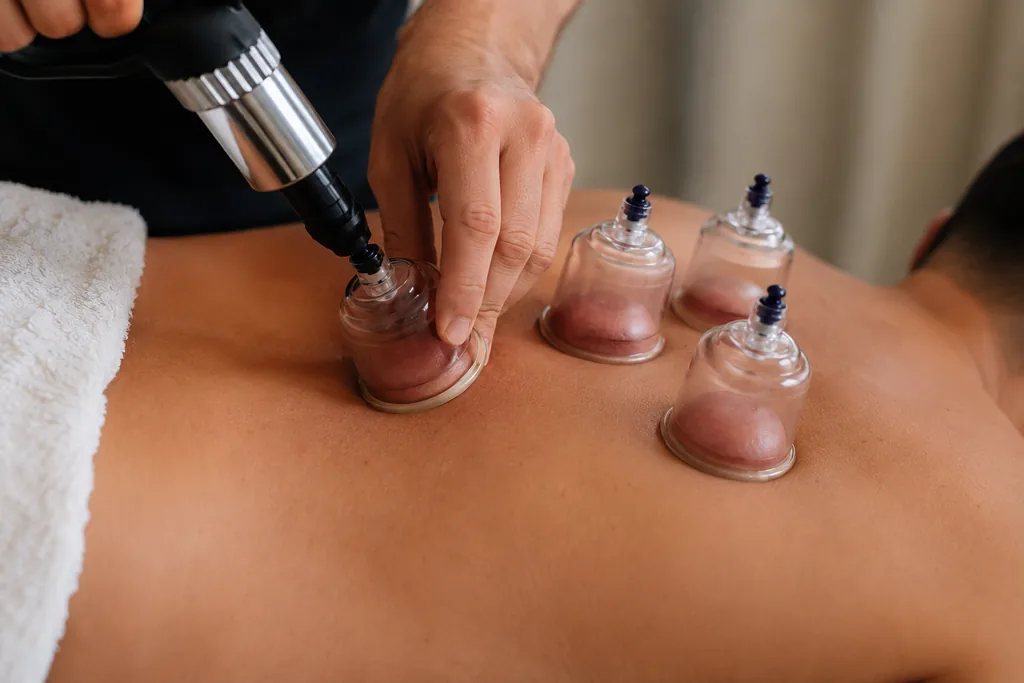
Sessions may use deep tissue work, dry cupping, IASTM muscle scraping, percussion and Hijama wet cupping. We also encourage strengthening and better movement habits so treatment is not the only thing carrying the load.
EXCELLENT Based on 69 reviews Posted on Google Adnaan AliTrustindex verifies that the original source of the review is Google. Shahid helped me with my recovery with my hamstring but he recommends the best course of action. For example, I initially asked for hijama for my hamstring but he advised a targeted recovery session would be more helpful for my needs. He also gave me gym exercises to help with recovery. After the session I noticed my issue subsided. He’s really friendly and I would recommend him to anyone and everyone. Top class service.Posted on Google Edad AhmedTrustindex verifies that the original source of the review is Google. Tried cupping for the first time and was feeling nervous. Abdus Shahid was very professional and talked me through the process. It helped relieve tightness in my quads. I would highly recommendPosted on Google Noman KhanTrustindex verifies that the original source of the review is Google. I had an excellent experience at this cupping centre professional, and made me feel comfortable throughout the entire session The clinic was very clean and hygienic and everything was explained clearly before the treatment. I left feeling relaxed, refreshed and much better. I highly recommend this place to anyone looking for quality cupping therapy.Posted on Google Karzan AhmadTrustindex verifies that the original source of the review is Google. I’ll give this guy more star ⭐ if there was thank you for your good work really help full and did a great jobPosted on Google srikanthreddyTrustindex verifies that the original source of the review is Google. Very good experience its was awesomePosted on Google Sahil AhmedTrustindex verifies that the original source of the review is Google. Knowledge, friendly, clean and professional. Highly recommend for HijamaPosted on Google RushirajTrustindex verifies that the original source of the review is Google. Very friendly and we even had cookie dough together lol
Work is physical load too
You do not have to play sport to need recovery
Athletes plan rest and recovery because repeated load builds fatigue. Most workers place similar demands on their bodies, but carry on until tightness starts affecting the working day.
The same areas are being loaded again and again
A builder may lift, carry, kneel, drill and work overhead. A desk worker may sit for hours with the head, shoulders and hips held in one position. Drivers, barbers, chefs and warehouse workers also repeat the same postures and movements for long periods.
That repeated load can leave the body feeling tight, heavy or restricted even without a clear injury. Recovery therapy gives those areas focused attention before the working week becomes a cycle of tension, temporary relief and the same tightness returning.
We do not force every client into the same massage routine. The session is shaped around your job, the areas doing the most work and how much hands-on treatment you are comfortable with.
Choose your work pattern
Different jobs overload the body in different ways
Start with how you spend most of the working day. We use that information to understand which areas are repeatedly taking the load.
Builders, trades and labourers
Lifting, carrying, kneeling, climbing, drilling and overhead work commonly build tension through the lower back, shoulders, forearms, hips, knees and legs.
Explore pain and tension supportDesk and computer workers
Long periods sitting can leave the neck, traps, shoulder blades, lower back and hips stiff, particularly when movement is limited throughout the day.
Read the desk-work guideDrivers and mobile workers
Driving holds the hips, hamstrings, lower back, neck and shoulders in one position while vibration and long hours can add to the feeling of stiffness.
Explore back recovery optionsBarbers, chefs and standing professions
Repeated arm work and long periods standing may overload the shoulders, wrists, forearms, lower back, calves and feet, often more on one side.
Explore deep tissue recoveryNotice the pattern early
The body usually warns you before work becomes difficult
You do not need to wait until the issue stops you working. These are common signs that the same areas are not recovering fully between shifts.
The same tightness returns every week
It settles briefly, then the same working pattern loads it again.
You feel stiff at the start of the day
Your body needs time to loosen before normal movement feels comfortable.
One side always feels more worked
Repetitive tools, mouse use, carrying or standing positions can create an obvious imbalance.
Your shoulders never fully drop
Upper traps and the area between the shoulder blades stay tense after work.
Your weekend becomes recovery time
Days off are spent trying to feel normal before the next working week begins.
Massage helps, but the problem returns
You may need a broader recovery approach and changes outside the treatment room.
Treatment and strengthening
Treatment can loosen the area. Strength helps it cope.
Recovery therapy can work directly on tight, overloaded and restricted areas. It may help you feel looser and move more comfortably, but it cannot remove the demands of your job.
Strengthening matters because the body still has to return to the same lifting, sitting, standing or repetitive work. The goal is not endless treatment. It is to combine sensible recovery with habits that make the body more capable of handling the load.
We give broad guidance where appropriate, but a diagnosed injury, significant weakness or structured rehabilitation need should be managed by a physiotherapist or another suitable clinician.
Core, glute, leg, upper-back and grip strength can help the body tolerate repeated work more effectively.
Short movement breaks can reduce the amount of time one area stays fixed in the same position.
Persistent weakness, numbness, swelling or worsening pain needs proper assessment rather than more bodywork.
How treatment may be approached
More than one way to work on a tired working body
The aim is not to use every method. We assess the main areas first and choose the level of pressure, suction, tool work or wet cupping that fits.
Deep tissue recovery
Firm, deliberate work for muscles that feel overloaded, guarded or stubbornly tight after repeated lifting, sitting or standing.
Dry and movement cupping
Suction-based treatment for areas that feel compressed, restricted or heavy. Dry cupping uses no scratches or blood.
IASTM muscle scraping
Stainless-steel tool work for dense or stubborn soft-tissue restriction, often used before deeper manual treatment.
Hijama for recovery
A complete standalone recovery choice, or part of a combined session when tight muscles also need direct hands-on work.
A good fit for recovery therapy
Recurring muscular tightness, body heaviness, stiff shoulders, lower-back tension, heavy legs, old restriction and fatigue from repeated working patterns.
Get assessed before booking
Fresh injury, significant swelling, numbness, weakness, loss of power, severe pain or symptoms that are worsening should be assessed medically or by a physiotherapist first.
Built around a working schedule
Looking after your body should not become another full-time job
Most workers do not need weekly appointments forever. The right session at the right time can help you reset, understand the pattern and make a better plan.
One main problem area
Choose targeted recovery when one area, such as the lower back, shoulders or legs, is taking most of the load.
Several overloaded areas
Choose full-body recovery when the working pattern affects the legs, hips, back and shoulders together.
Evenings and weekends
The clinic is open seven days, with appointments designed to fit around normal working hours.
Sessions and pricing
Choose the recovery session that matches the workload
Customer-friendly names are shown first. The official booking name appears beneath each option so you know exactly what to select.
One main area
Targeted Worker Recovery
Booked as Targeted Recovery
Focused recovery for one main area, using deep tissue, dry cupping, movement cupping, IASTM and percussion where suitable.
Best for: Lower back, shoulders, neck, forearms, hips, hamstrings, calves or another area carrying most of the working load.
Muscle work + wet cupping
Targeted Worker Recovery + Hijama
Booked as Targeted Recovery + Hijama
The same focused muscle recovery with Hijama wet cupping included in the appointment.
Best for: Workers who want direct treatment for tight muscles and wet cupping on suitable areas during the same visit.
Wider coverage
Full Body Worker Recovery
Booked as Full Body Recovery
A longer recovery session for several areas when the working load is spread across the legs, hips, back and shoulders.
Best for: Heavy manual weeks, long shifts, multiple tight areas or a full reset without wet cupping.
Complete combined session
Full Body Worker Recovery + Hijama
Booked as Full Body Recovery + Hijama
Full-body muscle recovery and Hijama wet cupping in one appointment for widespread tightness and overall body heaviness.
Best for: Several overloaded areas, demanding work periods or a complete muscular and wet cupping recovery session.
Prefer Hijama without massage?
Standalone Hijama Wet Cupping
Hijama can be booked as the complete recovery session when wet cupping is what you want. Sessions start from £50 and are tailored around the areas carrying the most load.
Real working bodies
Private, focused and clearly explained
The clinic works with active clients, desk workers, tradespeople and people whose job repeatedly loads the same areas.
“Didn't feel rushed and they actually explained what they were doing and why certain areas were causing problems.”
Verified Google review
EXCELLENT Based on 69 reviews Posted on Google Adnaan AliTrustindex verifies that the original source of the review is Google. Shahid helped me with my recovery with my hamstring but he recommends the best course of action. For example, I initially asked for hijama for my hamstring but he advised a targeted recovery session would be more helpful for my needs. He also gave me gym exercises to help with recovery. After the session I noticed my issue subsided. He’s really friendly and I would recommend him to anyone and everyone. Top class service.Posted on Google Edad AhmedTrustindex verifies that the original source of the review is Google. Tried cupping for the first time and was feeling nervous. Abdus Shahid was very professional and talked me through the process. It helped relieve tightness in my quads. I would highly recommendPosted on Google Noman KhanTrustindex verifies that the original source of the review is Google. I had an excellent experience at this cupping centre professional, and made me feel comfortable throughout the entire session The clinic was very clean and hygienic and everything was explained clearly before the treatment. I left feeling relaxed, refreshed and much better. I highly recommend this place to anyone looking for quality cupping therapy.Posted on Google Karzan AhmadTrustindex verifies that the original source of the review is Google. I’ll give this guy more star ⭐ if there was thank you for your good work really help full and did a great jobPosted on Google srikanthreddyTrustindex verifies that the original source of the review is Google. Very good experience its was awesomePosted on Google Sahil AhmedTrustindex verifies that the original source of the review is Google. Knowledge, friendly, clean and professional. Highly recommend for HijamaPosted on Google RushirajTrustindex verifies that the original source of the review is Google. Very friendly and we even had cookie dough together lol
Common questions
Worker recovery questions, answered
Clear answers for people who are busy, unsure what to book or wondering whether treatment is appropriate.
Do I need to be injured to book recovery therapy?
No. Many clients book because the same muscles feel tight, heavy or restricted from work even though there is no clear injury. Recovery therapy is for muscular load and recurring tension, not only injury recovery.
Can you help if work keeps causing back, neck or shoulder tightness?
These are common reasons people book. We assess the areas carrying the most load and may use deep tissue work, dry cupping, movement cupping, muscle scraping or Hijama. We do not diagnose the cause of pain, and concerning symptoms should be assessed first.
Is this physiotherapy?
No. We provide recovery-focused bodywork, not injury diagnosis, rehabilitation planning or physiotherapy. Physiotherapy is the correct route for a fresh injury, significant weakness, neurological symptoms or a structured rehabilitation programme.
What should a desk worker book?
If one area dominates, such as the neck, shoulders or lower back, Targeted Recovery is usually the clearest starting point. For detailed self-management guidance, read our desk-work neck and back guide.
What should a builder, labourer or tradesperson book?
Targeted Recovery suits one main area. Full Body Recovery is more suitable when lifting, carrying and physical work have left the legs, hips, back and shoulders tight together. Message us first if you are unsure.
Does treatment replace strengthening?
No. Treatment can work directly on tight and overloaded areas, while strengthening helps the body tolerate the demands of the job. The best long-term approach often includes both, alongside movement, sleep and sensible work habits.
Can I book Hijama without massage?
Yes. Hijama is a complete standalone recovery treatment. Combined sessions are for clients who also want tight muscles worked on directly during the same appointment.
How often should workers book?
There is no fixed schedule. Some clients book after a demanding period, when the same tightness starts building again, or every few weeks during particularly physical work. Follow-up is recommended only when there is a clear reason.
When should I get assessed before booking?
Seek medical or physiotherapy assessment first for a fresh injury, severe or worsening pain, significant swelling, numbness, weakness, loss of power, unexplained symptoms or anything affecting normal function.
Make time before your body forces you to
Tell us what your job is doing to your body
Message us with your job, the areas that keep tightening and whether you are open to massage, cupping, muscle scraping or Hijama. We will guide you towards the most suitable starting point.