
Targeted Recovery
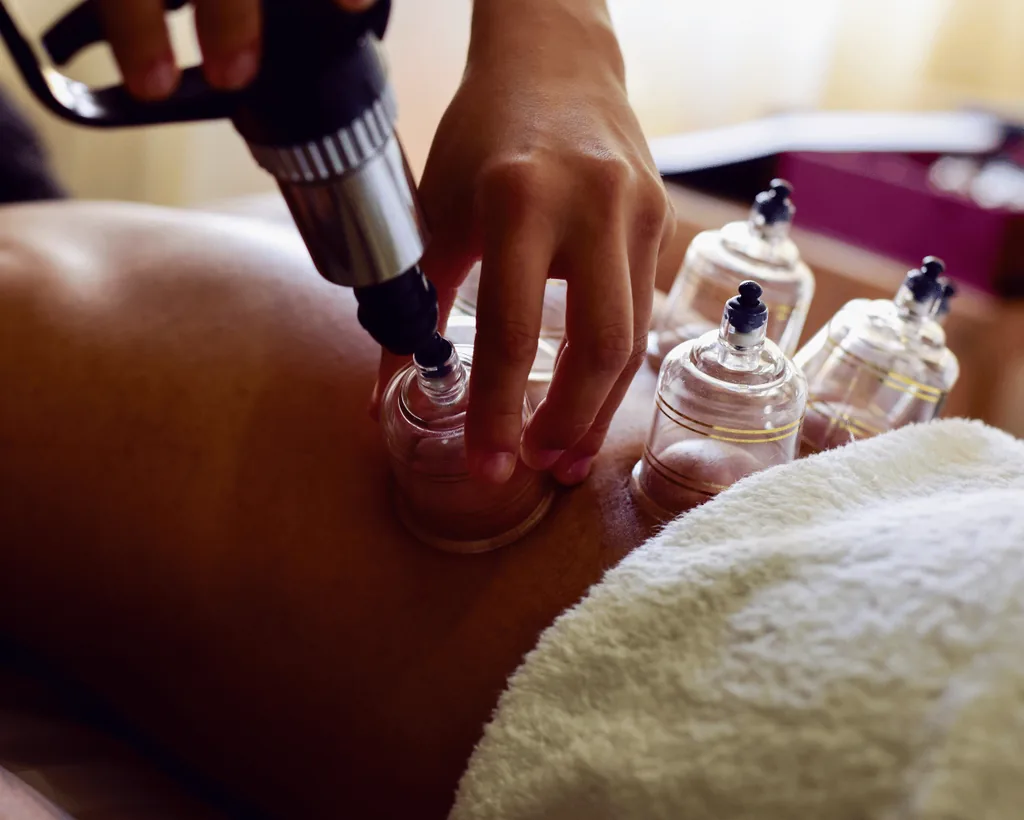
60 minutesFocused hands-on muscle work for one main area, with dry cupping, muscle scraping or a massage gun used where needed.
Book Targeted RecoveryGym Recovery · Hertfordshire
Recovery for lifters and gym-goers, with hands-on work, dry cupping, muscle scraping and wet cupping (Hijama) available in one appointment.
Wet cupping option
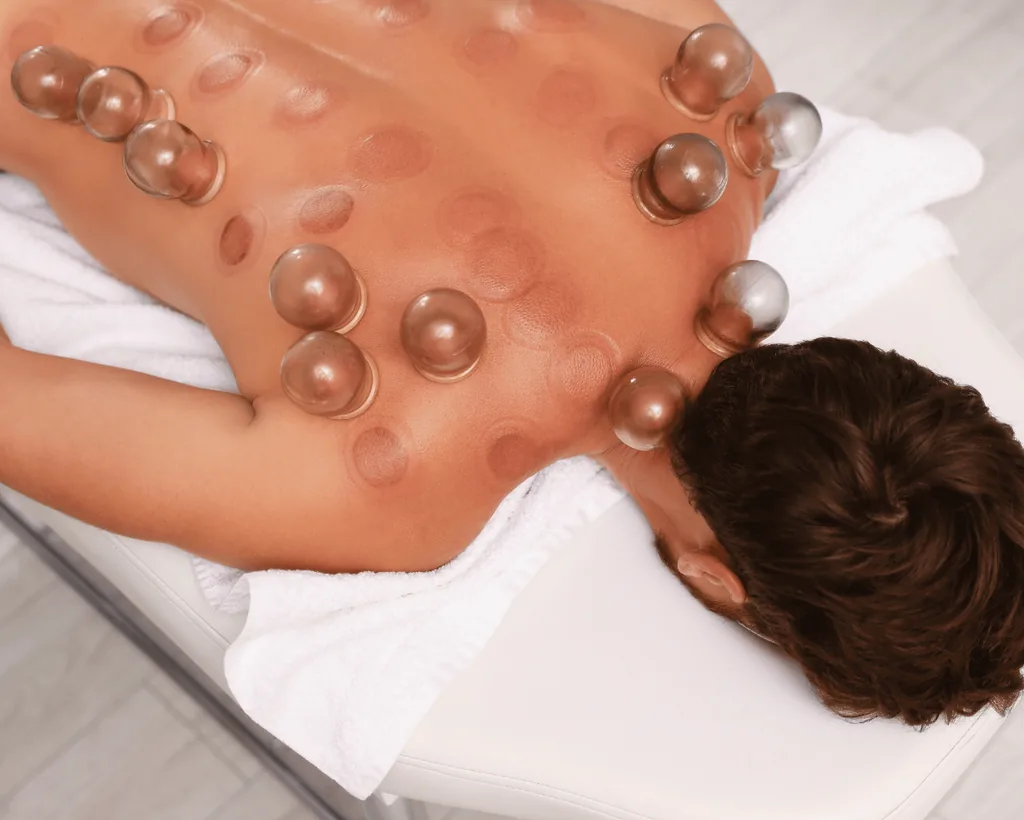
Hijama is wet cupping. Choose it on its own, or book Targeted Recovery + Hijama (£95) or Full Body Recovery + Hijama (£135) when you want hands-on recovery and wet cupping in the same appointment. You do not need to be Muslim to choose Hijama.
Not just "where does it hurt?"
Pressing, pulling, squatting and hinging create different loading patterns. A client may report one tight shoulder after pressing while the traps, lats and upper back are all carrying the block. A lower-back complaint after deadlifts or squats may sit alongside loaded hips and glutes. Conditioning can add calves and hamstrings to the picture.
Most gym clients initially search for sports massage or deep tissue massage. That’s fine. Firm hands-on treatment is the foundation here too. The difference is that if the response to pressure is limited, we can change the treatment input with dry cupping or IASTM instead of automatically making the massage more painful.
Before treatment we want to know your split, the last hard session, the next heavy session and whether you’re in a normal week, deload or competition phase. That information changes how much depth and coverage makes sense.
What I commonly see in lifters
One side may feel like the problem while the opposite side, lats, hips or glutes are doing more compensatory work through the same movement pattern. That’s why I don’t treat a training complaint as a single isolated dot on the body.
This isn’t injury diagnosis and it doesn’t mean every session becomes full-body treatment. It means the main area gets priority while connected regions are checked before deciding how to use the available time.
Which gym recovery session should you book?
Focused hands-on muscle work for one main area, with dry cupping, muscle scraping or a massage gun used where needed.
Book Targeted RecoveryThe same targeted muscular work with Hijama included in the appointment.
Book Recovery + HijamaLonger treatment when training load or tightness is spread across several regions.
Book Full Body RecoveryFull-body recovery work and Hijama in one extended appointment.
Book Full Body Recovery + HijamaFollow the training pattern
We prioritise the main problem while considering the muscles repeatedly sharing the same lift or training block.
High pressing volume can leave the front of the shoulder, pecs, traps and upper back feeling dense or restricted between sessions.
Rows, pull-ups and grip-heavy work can create a linked upper-body pattern rather than one isolated tight muscle.
Heavy lower-body work can distribute load across the posterior chain even when only one area feels uncomfortable.
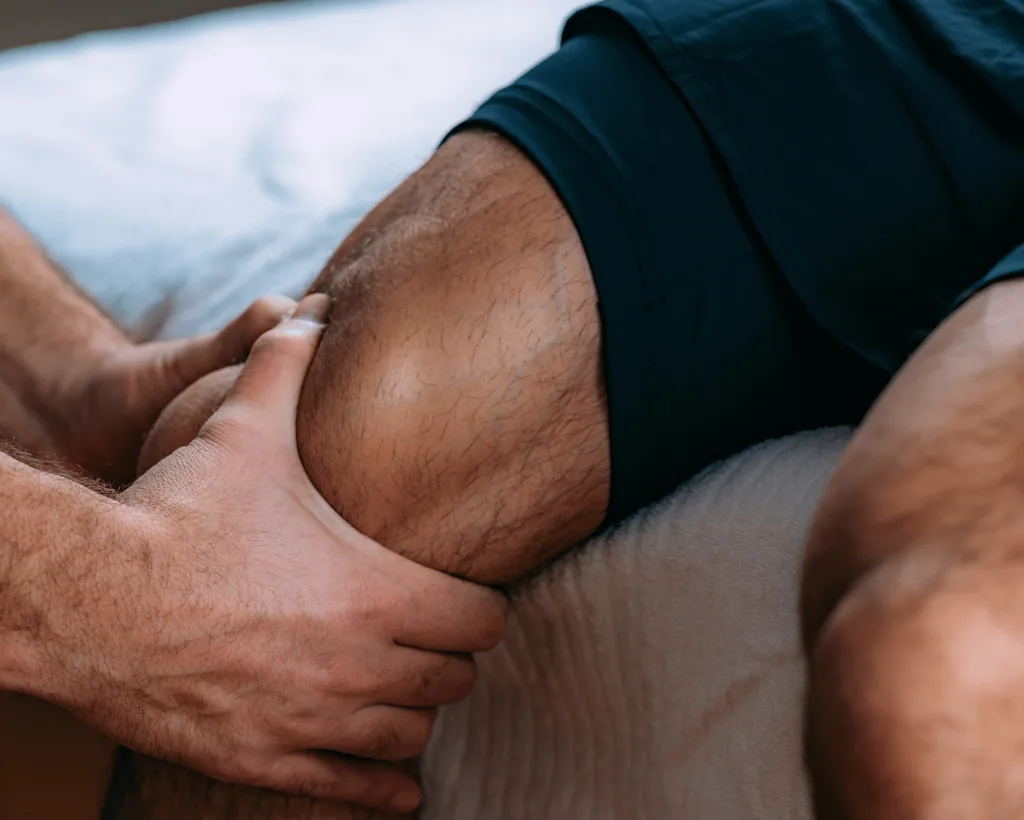
Running, sled work, circuits and hybrid training can leave the legs carrying fatigue on top of strength work.
Why several methods matter
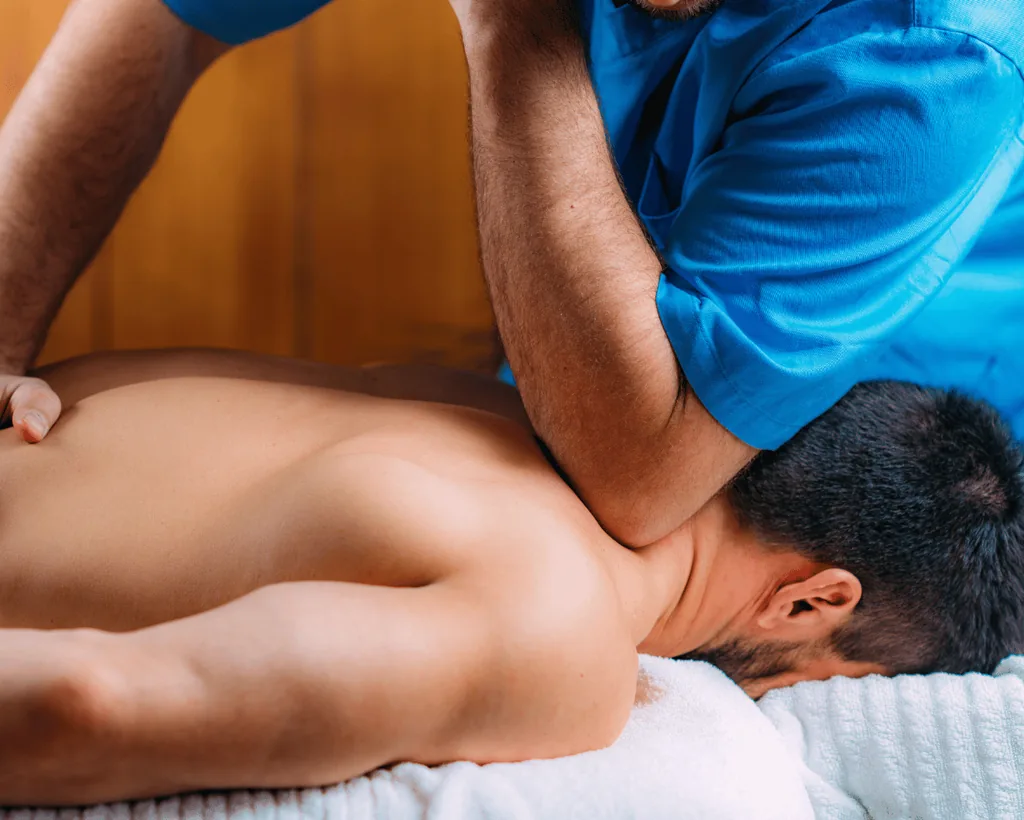
Firm manual work stays central. Additional methods are used selectively and explained before they’re added.
Direct, sustained pressure into the main loaded region, adjusted to stay useful rather than simply painful.
Suction provides a different input from compression and can be used statically, moving across an area or with controlled movement.
Tool-assisted work provides a precise option when a local region remains stubborn or restricted after initial hands-on work.
Useful over a broader muscle group before deeper work or as a lighter part of the session.
Wet cupping can be booked alone or combined when Hijama itself is part of your recovery or wellbeing goal.
Not every client needs every method. The value is having another option when the response to one technique is limited.
Realistic outcome
Some clients feel looser, lighter or more comfortable moving after treatment. Long-standing restriction may still need changes to training volume, strengthening, mobility, sleep or rehabilitation. We don’t promise one session will permanently fix a recurring gym problem.
The goal is to give the overloaded areas proper attention, make good treatment decisions and avoid creating unnecessary soreness before the next key session.
Plan the appointment
Tell us what you trained, when you train next and whether the session sits before or after a demanding block.
Trusted locally
See current feedback on Google.
Common questions
Private St Albans clinic serving lifters and regular trainers across Hertfordshire.
Firm sports-massage-style work remains the foundation. The difference is that dry cupping, IASTM and percussion can be used when the area needs a different treatment input, and the session is planned around your training split.
Choose Targeted Recovery for one main area and Full Body Recovery for several connected areas. Choose the + Hijama session when you want wet cupping included as part of the same recovery appointment.
Tell us when you next train the area. Deeper work is better placed where the body has time to settle. Deload weeks often give more room for broader treatment.
Avoid heavily loading a deeply treated area immediately afterwards. After Hijama, lighter activity is advised for at least 24 hours.
No. Book for the problem. Additional methods are discussed first and only used when useful and acceptable to you.
The clinic works with muscular tension and recovery needs, not injury diagnosis. New, severe or concerning injuries need assessment first.
Yes. Clients travel from Harpenden, Hatfield, Welwyn Garden City, Hemel Hempstead, Watford, Radlett, Potters Bar, Hertford, Stevenage and other Hertfordshire areas.
Train hard. Recover with a plan.
Message your training split, main tight area and next heavy session if you need help choosing.




