


Hijama, Cupping and Anxiety
Quick Answer
Hijama and cupping are not treatments for anxiety, panic disorder or any diagnosed mental health condition. Some clients find cupping or Hijama calming, and some use it to support physical tension linked to stress, especially in the neck, shoulders and upper back. It should sit alongside proper mental health support, not replace it.
I want to be careful with this topic because anxiety is serious. It is not something to use as a marketing angle.
The NHS describes anxiety as something that can affect how you feel physically and mentally, including symptoms such as a noticeable heartbeat, sweating, headaches, breathlessness, worry and difficulty concentrating. If anxiety is affecting your daily life, speak to your GP or a qualified mental health professional.
Where Cupping May Fit
When people are stressed or anxious for long periods, the body often carries it physically. Neck tightness, upper back tension, headaches, jaw tension and heavy shoulders are common complaints clients mention.
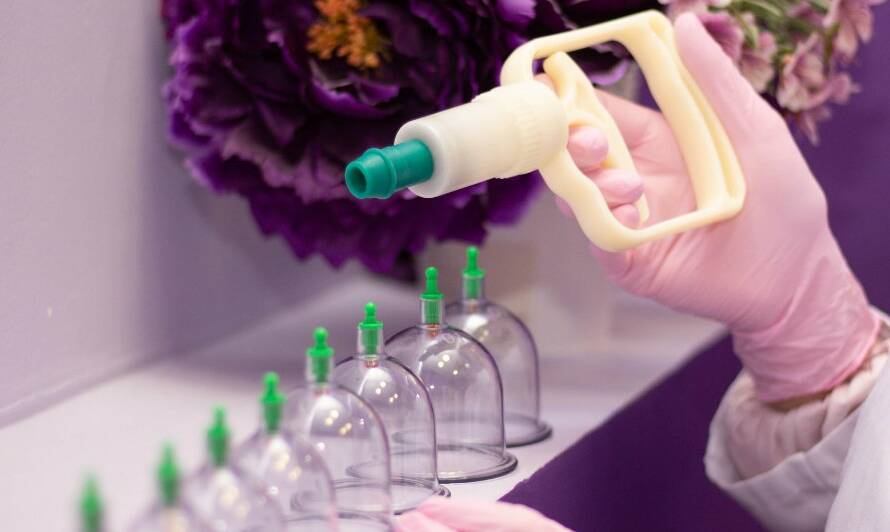
Cupping may support some of that physical tension by decompressing soft tissue and encouraging a calmer, slower session environment. Some clients leave feeling lighter or more relaxed. That does not mean the anxiety itself has been treated.
Where Hijama May Fit
Some Muslim clients choose Hijama because it is a Sunnah practice and gives them a sense of grounding. Others feel physically lighter afterwards, which can help them feel more settled in their body.
But again, Hijama is not a replacement for therapy, medication, GP support or crisis care. If someone is in a very anxious state, very faint, very overwhelmed or not eating properly, I may advise waiting or starting with a gentler session.
My position: Hijama can support the physical side of stress for some people. It should not be sold as an anxiety cure.
When to Get Mental Health Support First
- Anxiety is affecting your daily life
- You are having panic attacks
- You feel unable to cope
- You are avoiding normal activities
- Your sleep, appetite or work is badly affected
- You have thoughts of harming yourself
If any of this applies, speak to your GP or mental health support service. If you feel at risk of harming yourself, seek urgent help immediately.
What Session Usually Makes Sense?
For stress-related physical tension, a gentle recovery session with dry cupping and massage may be a better starting point than Hijama. If you specifically want Sunnah Hijama, we can discuss that too, but the session needs to be appropriate for how you are feeling on the day.
The aim is to support the body, not overwhelm it.
Final Answer
Cupping and Hijama may help some people feel calmer, lighter or physically less tense. But they are not anxiety treatments and should not replace proper mental health support.
If your main issue is physical tension from stress, message us and I will advise honestly which session is most suitable.
Related Pages
- Hijama in St Albans - private wet cupping sessions
- Cupping and massage treatment - dry cupping and recovery sessions
- Benefits of Hijama - safe and realistic guidance
- Book an appointment - view available sessions
Common Questions
Can Hijama treat anxiety?
No. Hijama is not a treatment for anxiety, panic disorder or any diagnosed mental health condition. Some people find the session calming or use it to support physical tension linked to stress.
Should I stop therapy or medication if Hijama helps me relax?
No. Do not stop prescribed medication or therapy because of Hijama. Speak to your GP or mental health professional about any changes.
Can cupping help stress-related muscle tension?
It may help some people with physical tension in the neck, shoulders or upper back, which can build during stressful periods.
Is Hijama safe if I feel very anxious?
It depends. If you feel faint, overwhelmed or are in crisis, it may not be the right time. Message first and speak to your GP or mental health support if symptoms are affecting daily life.
What should I book for stress tension?
For physical neck, shoulder or upper back tension linked to stress, a gentle recovery session or dry cupping may be a better starting point than Hijama for some clients.
Message Before Booking
If stress is showing up as physical tension, send us a message and I will advise whether cupping, massage or Hijama is the better starting point.

1 Comment
tempmail
I just like the helpful information you provide in your articles