
Targeted Recovery
Focused treatment for one main region such as neck, shoulders, back, glutes, hamstrings or calves.
£75or £95 with Hijama
Book Targeted RecoverySports Massage · Deep Tissue · Hertfordshire
Firm sports massage for training-related tightness, with dry cupping, IASTM and wet cupping (Hijama) available when you want more than massage alone.
Wet cupping option
Hijama is wet cupping. Choose it on its own, or combine it with Targeted Recovery (£95) or Full Body Recovery (£135) when you want hands-on recovery and wet cupping in the same appointment. You do not need to be Muslim to choose Hijama.
Best starting point
You do not need to choose between massage, cupping and Instrument Assisted Soft Tissue Mobilisation (IASTM) before booking. Choose one area or several. We decide with you whether firm hands-on work is enough, or whether suction or tool-assisted work is worth adding.
Focused treatment for one main region such as neck, shoulders, back, glutes, hamstrings or calves.
For several loaded areas, desk-work patterns, heavier training weeks or broader whole-body recovery.
Useful if you need treatment after work or training. Same-day appointments may be available when the live calendar has space.
You came looking for sports massage
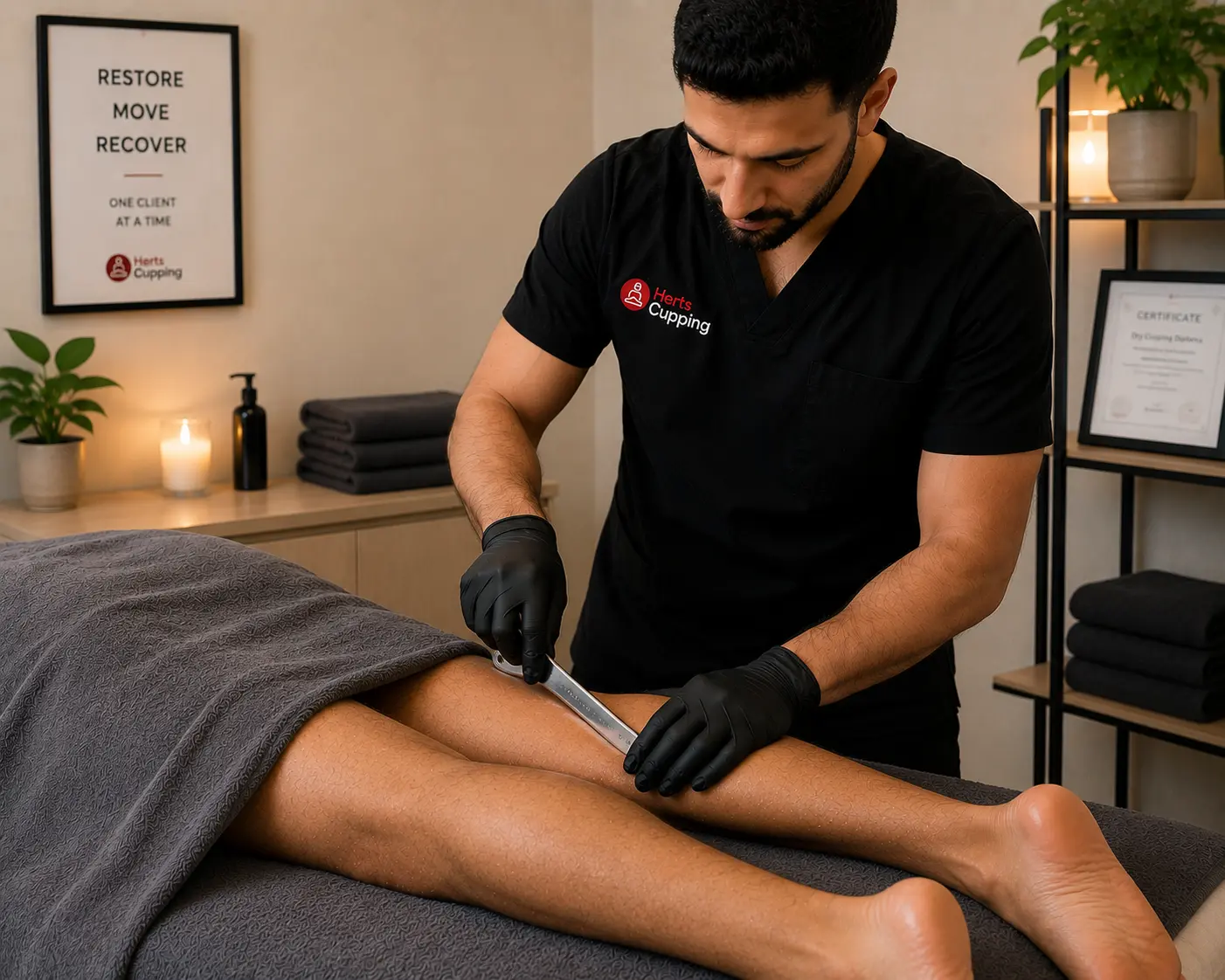
Firm sports-massage and deep-tissue-style work remains the foundation. The difference is that the appointment is not restricted to massage: dry cupping or IASTM can be used when a different treatment input makes sense.
Wet cupping is also available in the same clinic. If that is new to you, you can learn what it involves before choosing a combined session. If massage alone is enough, the appointment can stay massage-led.
Common treatment patterns
Training, work and repeated posture can load the same areas. The session follows the actual pattern rather than a generic full-body sequence.
For lifting, sitting, batting stance, cycling position and recurring back tightness that feels muscular rather than acute.
For desk work, pressing, throwing and upper-body training that leaves the traps and shoulder blades overloaded.
For running, field sport and leg training where the posterior chain stays tight between sessions.
For squats, hinges, running and long sitting when several connected areas contribute to lower-body restriction.
For grip-heavy training, racket sport, cricket and repetitive physical work.
A 90-minute session provides enough time when the load is spread across legs, hips, back and shoulders.
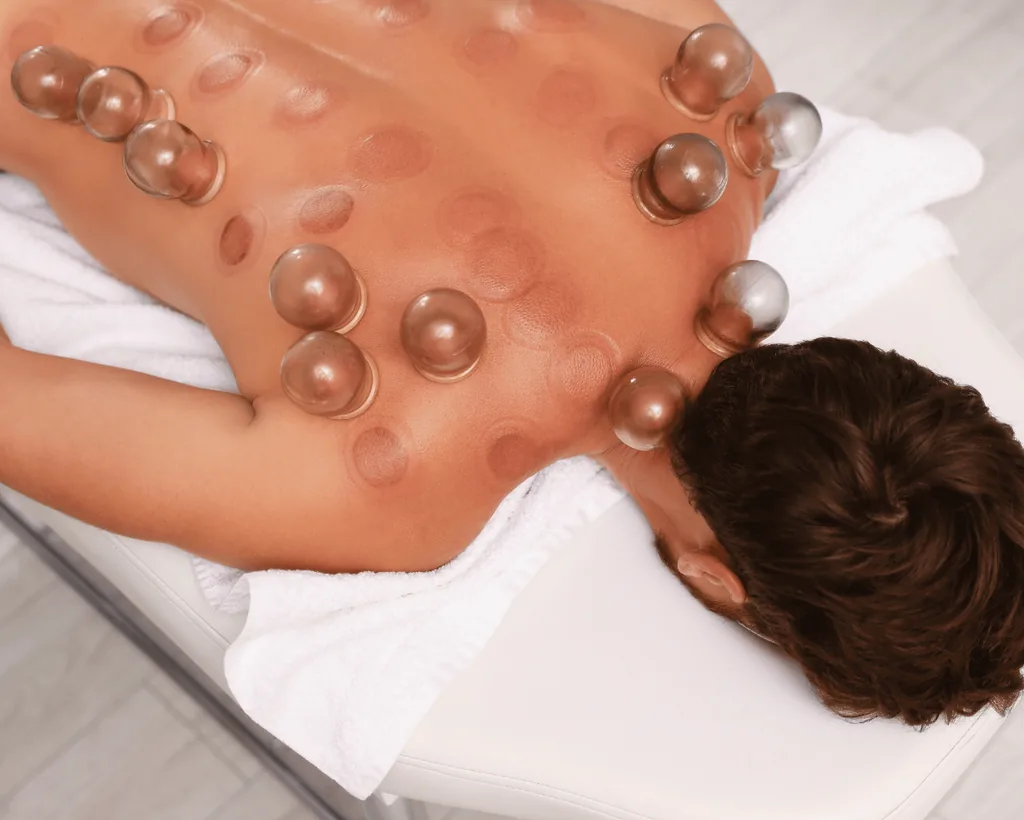
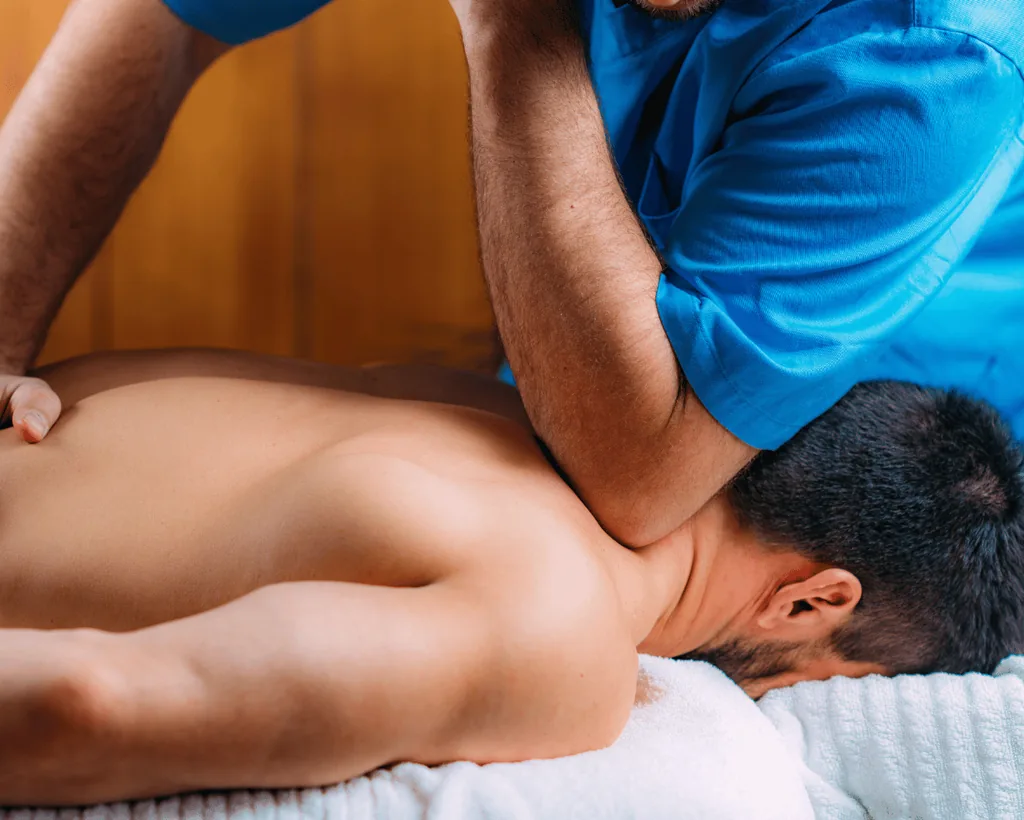
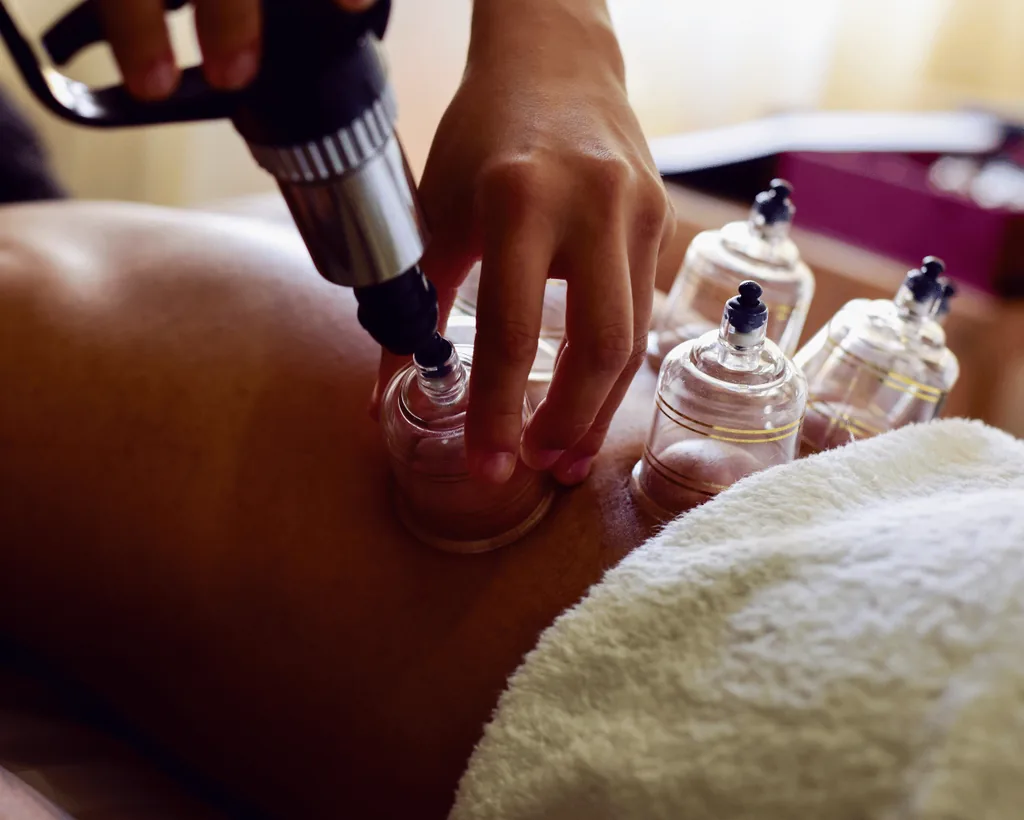
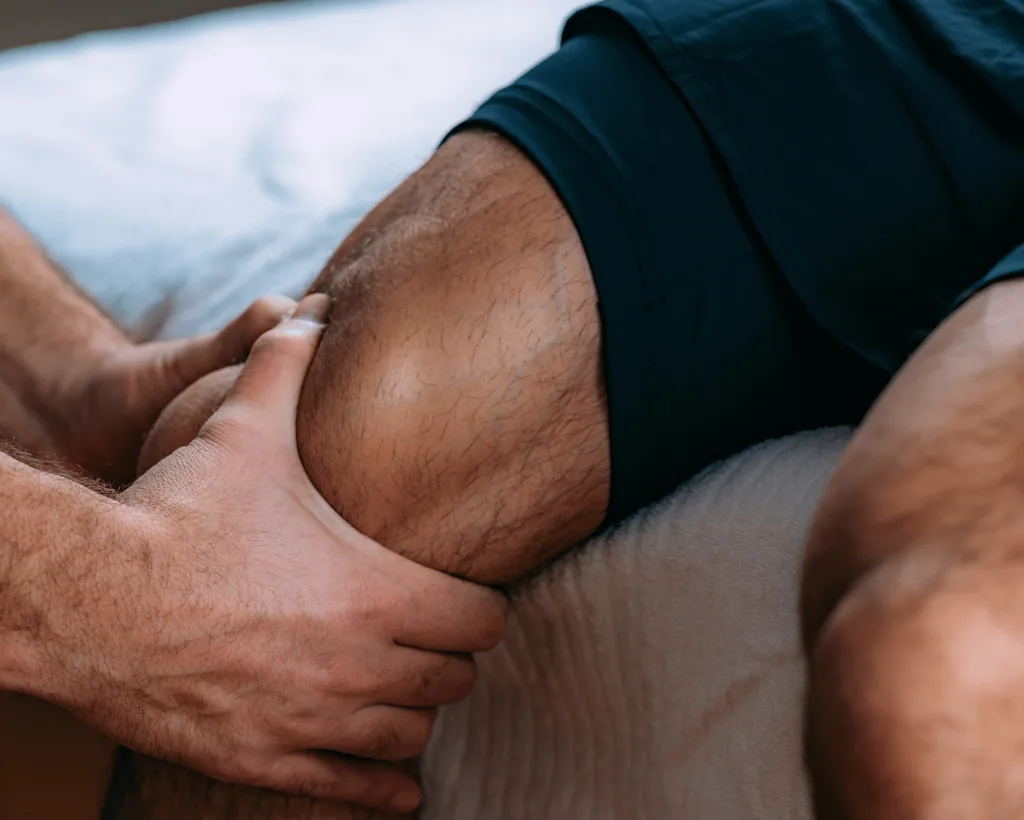
Why this is more than a standard massage appointment
The value is not that every session uses everything. The value is having another sensible option when more pressure is not the answer.
Realistic expectations
Some clients feel looser or move more comfortably after one session. Long-standing patterns may still need training changes, mobility, strengthening, sleep improvement, physiotherapy or medical assessment.
What we can do is give the main area proper treatment time, use another method only when it is genuinely useful, explain what we noticed and avoid booking repeat sessions just because a standard routine wore off quickly.
The option ordinary sports massage does not include
Choose the combined option only when you want both muscular treatment and wet cupping within the same appointment.
Suitable when Hijama itself is the main recovery, wellbeing or Sunnah goal. Cup coverage is chosen separately from massage time.
A 60-minute appointment combining focused hands-on work with wet cupping on suitable selected areas.
A 90-minute option when several areas need muscular work and Hijama is also wanted.
Official booking options
If you searched for sports massage, these are the booking names you will see. Hands-on sports-massage and deep-tissue work remain the foundation.
Focused treatment for one principal area such as neck, shoulders, back, glutes, hamstrings or calves.
Book 60 minutesFocused recovery plus Hijama when you want both in the same appointment.
Book 60 + HijamaMore treatment time for several loaded regions.
Book 90 minutesLonger recovery session with Hijama included.
Book 90 + HijamaTrusted locally
Independent feedback from people who have visited the clinic.
Sports massage across Hertfordshire
We are based in St Albans and regularly see clients travelling from Harpenden, Hatfield, Welwyn Garden City, Hemel Hempstead, Watford, Radlett, Potters Bar, Hertford, Stevenage and surrounding Hertfordshire areas.
Choose 60 minutes when the priority is one region such as back, neck and shoulders, glutes, hamstrings or calves.
Choose 90 minutes when the load is spread across several regions and each needs meaningful treatment time.
You do not need to request them. Book for the problem you want treated and we will explain any additional method before using it.
That is fine too. Having more tools available does not mean every tool has to be used.
Yes. Firm hands-on sports-massage and deep-tissue-style work is the foundation of our Recovery sessions. Other methods are used only when they add something useful.
No. Sports therapy can include injury assessment and rehabilitation. Our service is focused muscular treatment. If you need diagnosis, weakness testing or a rehab plan, a sports therapist or physiotherapist may be the better first route.
Choose Targeted Recovery + Hijama or Full Body Recovery + Hijama when you want hands-on muscular treatment and wet cupping together. Standalone Hijama remains available when wet cupping itself is the whole goal.
Use 60 minutes for one main region. Choose 90 when several connected areas need meaningful treatment time rather than being rushed.
Train hard. Recover deliberately.
If you are unsure between 60 and 90 minutes, message the areas you want treated and we will guide you.




