In this article
I do not put everybody on weekly massage. How often you need deep tissue work depends on why the area keeps tightening, how long the benefit lasts and what you are doing between sessions.
I do not start by selling a treatment schedule
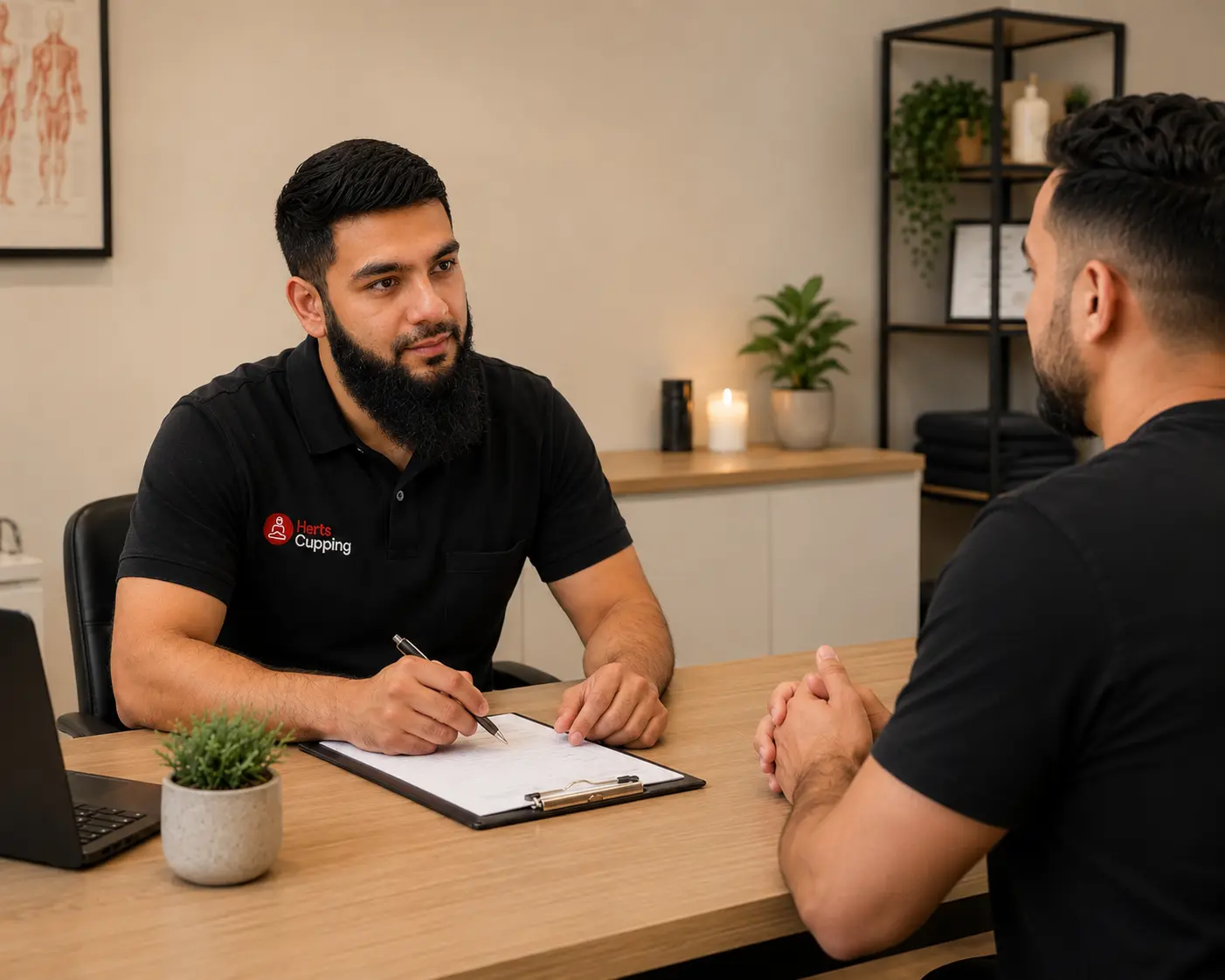
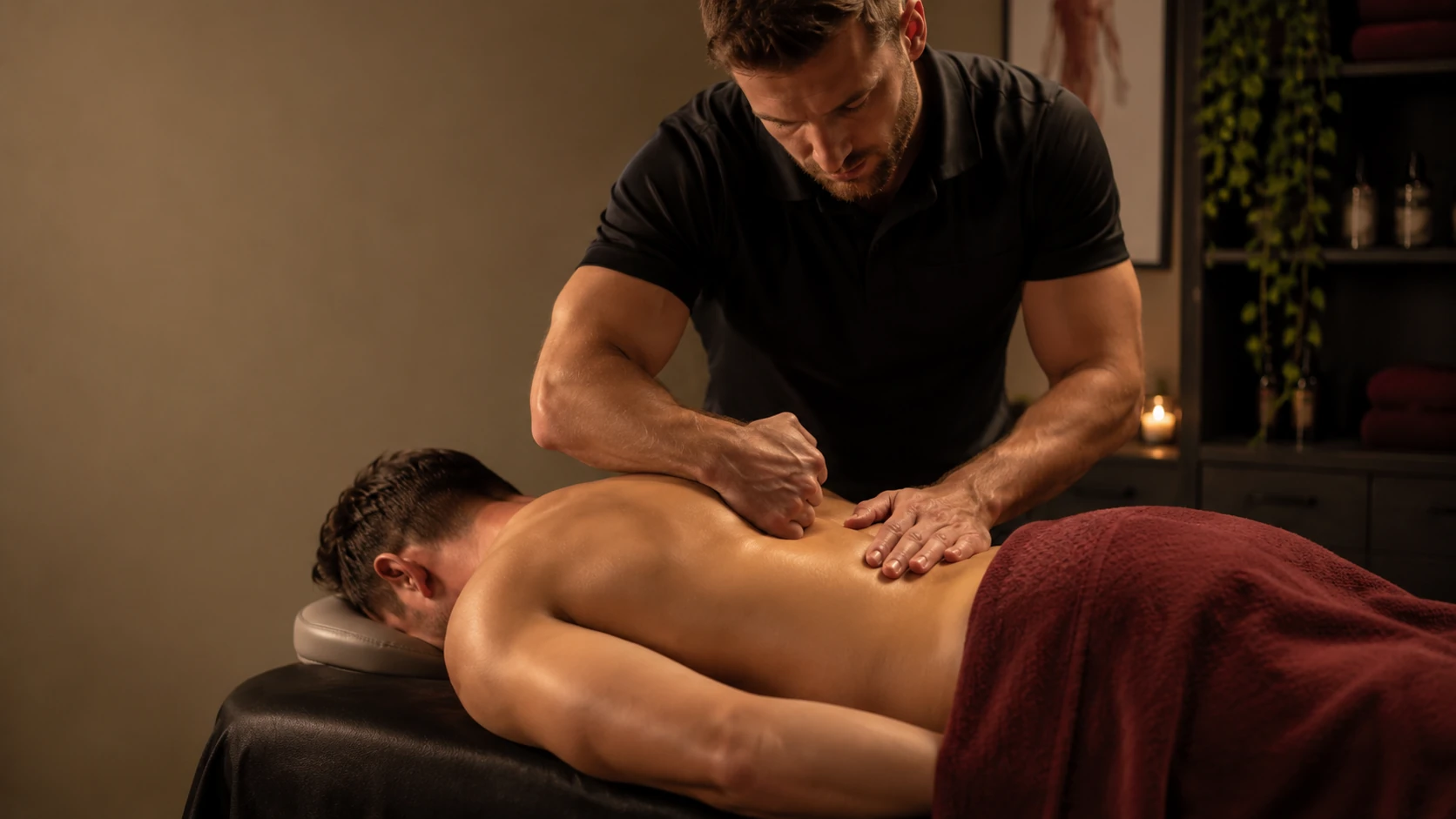
When somebody comes to me for deep tissue work, my first aim is to see what one proper session changes.
If you leave moving more comfortably and the improvement holds, there is no prize for booking again quickly. Give the area time and come back when there is a reason.
If the problem returns almost immediately, I also do not assume the answer is automatically another massage. I want to know what happened between the two points.
When a shorter gap can make sense
There are situations where somebody may benefit from another session reasonably soon:
- the first appointment focused on one very limited area and there are other connected areas still to work through
- you are in a heavy training block and muscular tightness is building faster than usual
- the area responded well but there was not enough time in one appointment to cover several regions properly
- you are deliberately using hands-on recovery around a short period of high physical demand
Even then, I prefer a reasoned plan rather than “come back every week because deep tissue massage works best weekly”.
When monthly or occasional treatment is enough
Plenty of clients do not need frequent treatment. They know a particular area gradually gets tight after a few weeks of training, driving, desk work or physical work and they book when it starts affecting movement or comfort.
For them, occasional treatment can make more sense than forcing a maintenance schedule.
The session becomes something they use when needed, not another subscription they feel they have to keep up with.
If the same problem keeps coming back, frequency may not be the main question
This is the part I think gets missed in a lot of massage advice.
If your shoulder feels better for two days after every massage and then becomes exactly the same again, asking whether you should have massage more often may be the wrong question.
I would want to know what is repeatedly loading it. Is it your desk setup? Pressing volume in the gym? Sleeping position? A job that keeps one arm in the same position? Are you relying on treatment while nothing else changes?
Hands-on work can be useful, but it should not become a way of endlessly resetting the same pattern without asking why the pattern keeps returning.
Training changes the answer
For runners, lifters and people who play sport regularly, massage frequency can change with the training calendar.
During a normal week, you may not need anything. In a heavy block, competition build-up or period where several areas feel loaded, you may use recovery work more often for a short period.
I still do not want treatment fighting against the programme. If you have a heavy session tomorrow, I may work differently from how I would if you had two easier days afterwards.
The sports recovery page explains how I build treatment around training rather than treating massage as something separate from it.
What about chronic tightness?
Long-standing does not automatically mean “needs more massage”. Sometimes it means the area needs a broader look.
If an issue is persistent, worsening, associated with weakness, neurological symptoms or not behaving like ordinary muscular tightness, appropriate medical or physiotherapy assessment may be more important than increasing treatment frequency.
If it is muscular and treatment helps, we can still look at whether the session needs to change. That might mean more time, a different area, or a different treatment input rather than simply booking the same routine more often.
Could cupping or IASTM mean you need massage less often?
Not necessarily, and I would not promise that.
What they do give me is another option. If repeated deep pressure is not changing a stubborn area, dry cupping can introduce suction and IASTM can give a more focused tool-assisted input. Sometimes that helps us get more useful work done in one appointment. Sometimes massage alone is still the best choice.
That is the logic behind the combined Muscle Recovery sessions. The aim is not to add techniques for show. It is to avoid repeating the same input when the response is limited.
How I decide whether somebody should come back
I look at three things:
- What changed? Did movement, tightness or comfort improve?
- How long did it last? Hours, days, weeks or still fine?
- What brought it back? Normal life, a specific training load or no obvious reason?
Those answers tell me far more than an arbitrary calendar rule.
A sensible starting point
If you have never had deep tissue massage before, book one session for the problem you actually have. See how you respond before deciding you need a course.
If you are looking for deep tissue massage in St Albans, I would rather you tell me what keeps tightening and what you need your body to do than ask how many appointments you should buy in advance. We can decide frequency afterwards, if another session is even needed.