In this article
Hijama can be meaningful without becoming a cure-all. This is the practical line we draw between Sunnah practice, personal experience, complementary care and claims that blood colour, cup points or wet cupping can diagnose or cure disease.
The short answer
Hijama is wet cupping. It can be chosen as a Sunnah practice, as a form of complementary bodywork, or simply because somebody prefers wet cupping to dry cupping. What it cannot honestly be turned into is a blood test, a scan, a diagnosis, a guaranteed detox or a cure for unrelated medical conditions.
That distinction matters because exaggerated claims do not make Hijama stronger. They make it harder for a client to know what is genuine, what is personal experience and what should be taken to a GP, physiotherapist or another regulated professional instead.
At Herts Cupping, the cup is not proof of a diagnosis. The treatment decision comes from what you tell us, what is safe to treat and what you are actually booking for.
Dark blood does not prove that toxins were removed
Clients often ask why some cups contain darker blood than others. The visual difference can be striking, so it is understandable that people attach meaning to it. The problem starts when colour is presented as a medical measurement.
We do not tell a client that darker blood proves they were more toxic, that a particular organ was struggling or that a darker cup means the treatment worked better. The amount and appearance of blood can vary for ordinary reasons, including the area treated, the superficial scratches, suction, skin response and individual differences.
If you feel lighter or different after a session, that experience is worth listening to. It is still different from saying a cup has measured toxins leaving the body.
Cup positions are not a disease map
There are traditional and religiously significant Hijama points, and many Muslim clients specifically ask for Sunnah points. That does not turn the back, neck or legs into a diagnostic chart where one mark can prove a liver, kidney, fertility, digestive or hormonal problem.
We can target an area because it is the area you want treated, because it fits the planned Hijama coverage, or because it makes sense within a muscular recovery session. We do not use cup colour, tenderness or location to tell somebody they have an internal disease.
If a symptom suggests that medical assessment is needed, the correct response is not to add more cups. It is to recommend appropriate assessment.
We do not promise a medical detox
The word detox is used widely in traditional wellness language. The problem is not the word itself. The problem is presenting wet cupping as if it has clinically measured a toxin burden and then removed it from a specific organ or disease process.
The body already has organs responsible for processing and removing waste. Hijama should not be sold as a replacement for those systems, medication, hydration, sleep, nutrition or medical care.
If you are interested in what people commonly report after Hijama, our Benefits of Hijama guide separates reported experiences from stronger medical claims.
We do not claim Hijama cures chronic disease
A long list of conditions attached to one treatment is a warning sign. Hijama should not be advertised as a guaranteed cure for diabetes, infertility, thyroid disease, autoimmune conditions, neurological disease, cancer or other diagnosed conditions.
Some people with long-term conditions still choose complementary treatment. That decision should sit alongside appropriate medical care, not replace it. Medication should never be stopped because a cupping practitioner says a session has fixed the underlying condition.
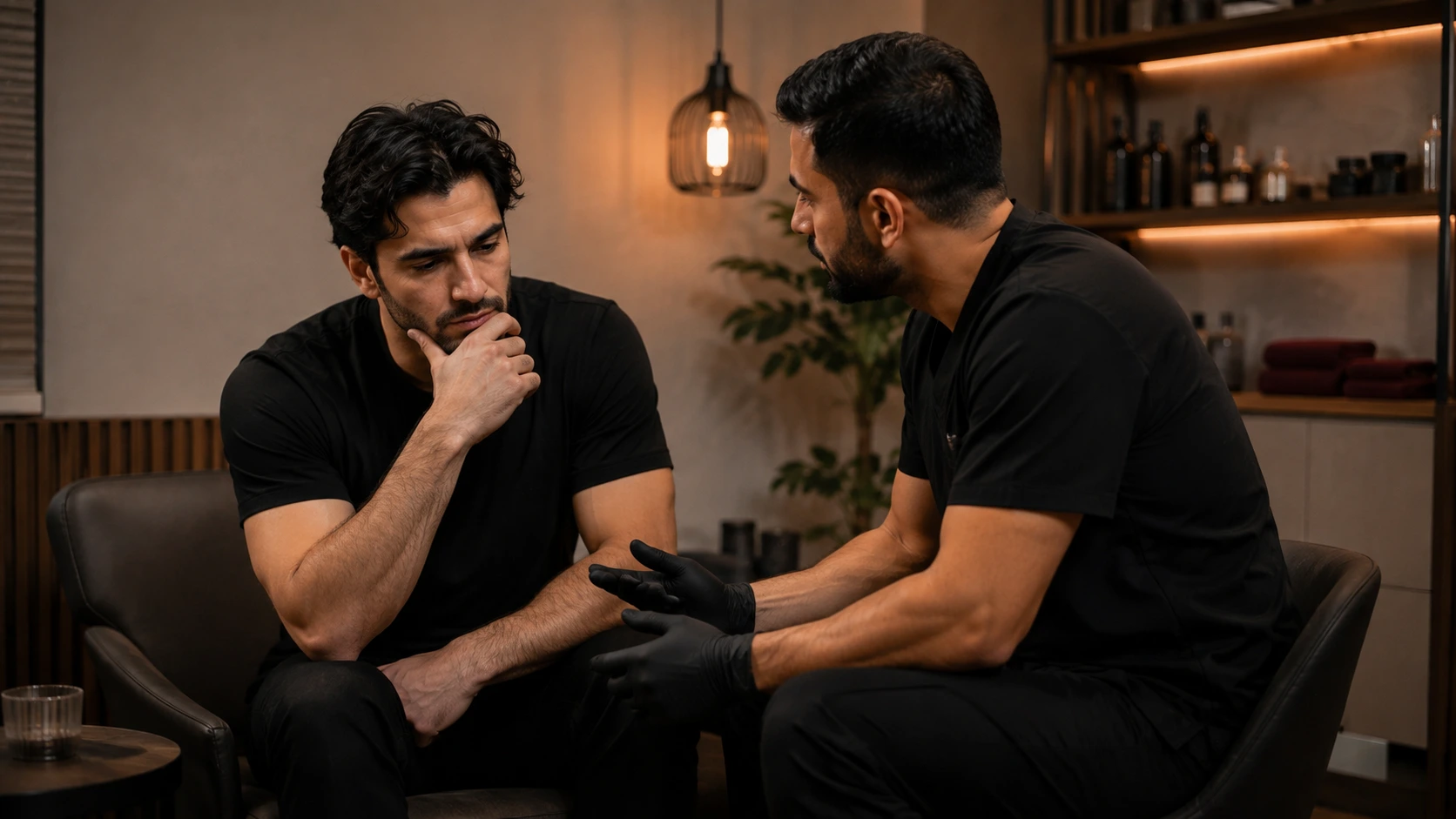
When somebody tells us about an existing diagnosis or medication, the purpose of that conversation is safety and suitability. It is not an invitation for us to take over the role of the clinician managing that condition.
We do not treat anxiety, depression or trauma with Hijama
A calm, private appointment can feel restorative. Some clients tell us they feel more relaxed afterwards. Others like having a defined period where they are away from work, screens and everyday pressure. Those are real experiences, but they do not make Hijama psychotherapy or a medical treatment for anxiety, depression, panic disorder or trauma.
We do not claim a cup has lowered cortisol, reset the nervous system or removed the cause of chronic stress. If the main issue is persistent low mood, panic, intrusive thoughts, severe sleep disturbance or another mental-health concern, appropriate psychological or medical support comes first.
If stress is showing up mainly as physical tension, our Stress & Body Tension guide explains the physical treatment options without blurring those boundaries.
We do not tell you to abandon proper treatment
Hijama is complementary care. It can sit beside rehabilitation, prescribed medication, strength work or medical monitoring when it is suitable to do so. It should not be used to persuade someone away from necessary treatment.
- New weakness, numbness or loss of power needs appropriate assessment.
- Severe, unexplained or rapidly worsening pain should not be treated as ordinary tension.
- Active infection, fever, significant anaemia, bleeding problems or some medications may change whether wet cupping is suitable.
- Pregnancy and complex health histories should be discussed before booking.
Being willing to say “do not book this yet” is part of professional practice.
We do not sell everybody the same Hijama schedule
There is no sensible reason to tell every client that they need weekly Hijama, monthly Hijama or a fixed lifetime schedule. Different people book for different reasons.
Some Muslim clients choose the 17th, 19th or 21st because they follow the reports about those dates, while other clients book on any suitable day. Scholars differ over the strength of the timing reports, so we do not present those dates as the only valid time for Hijama. Some people book occasionally for general wellbeing. Some choose a short course because they specifically want repeat wet-cupping sessions. Others try it once and decide they prefer dry cupping or hands-on recovery work instead.
Frequency should never be used to create fear that the body will become “toxic again” if you do not return.
So what can Hijama honestly offer?
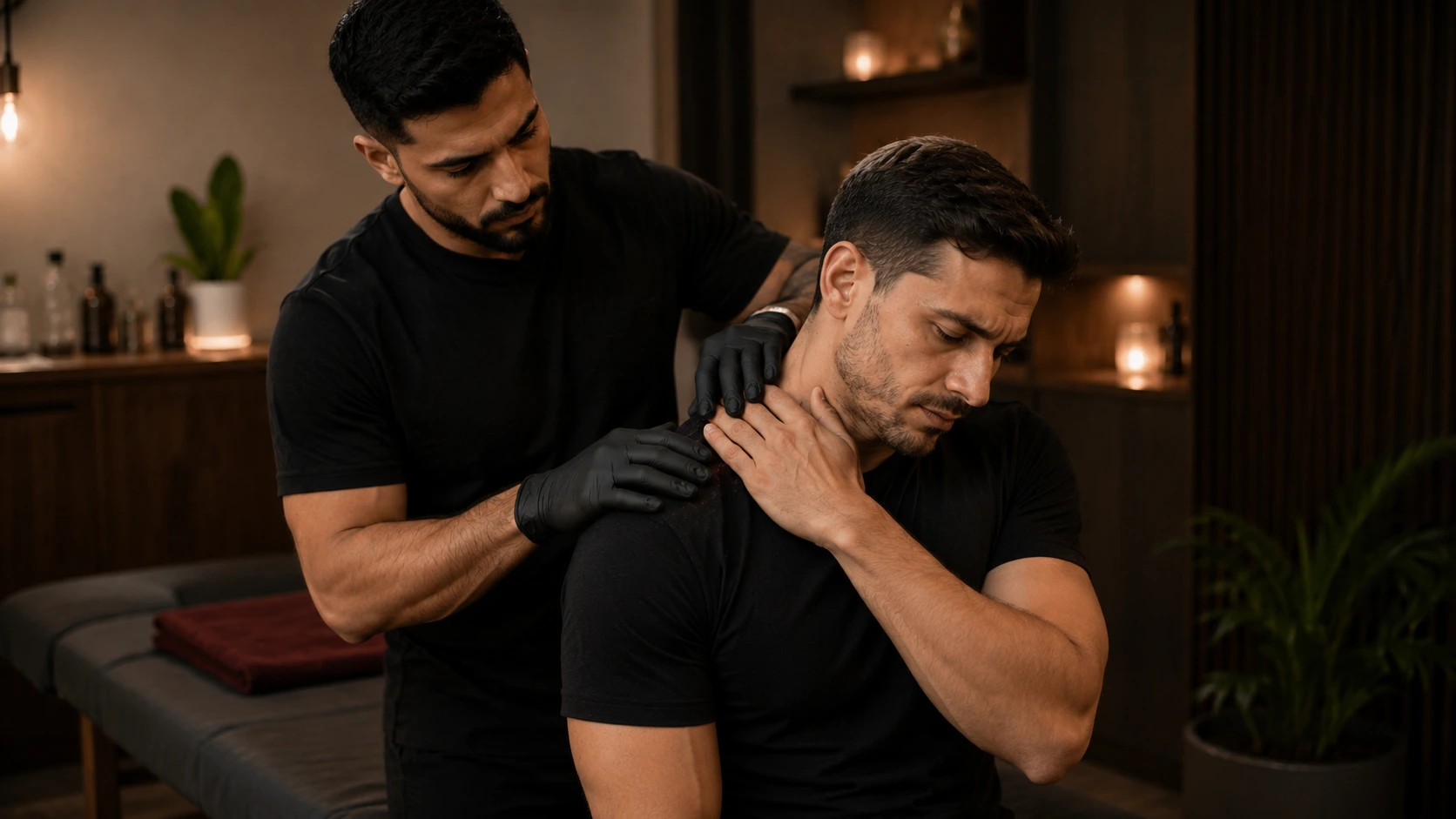
It can offer a professionally delivered wet-cupping session in a private setting. It can meet a religious preference for clients who value the Sunnah. It can be targeted to particular areas and, where appropriate, combined with hands-on muscle recovery.
Clients commonly describe sensations such as feeling lighter, looser or more relaxed afterwards. Others mainly value the experience itself. Results vary, which is why we do not guarantee a specific outcome from a specific number of cups.
If you already know you want wet cupping, see our Hijama options and prices. If you are still deciding whether it fits your reason for booking, use the Is Hijama right for me? guide first.
What a responsible practitioner should be comfortable saying
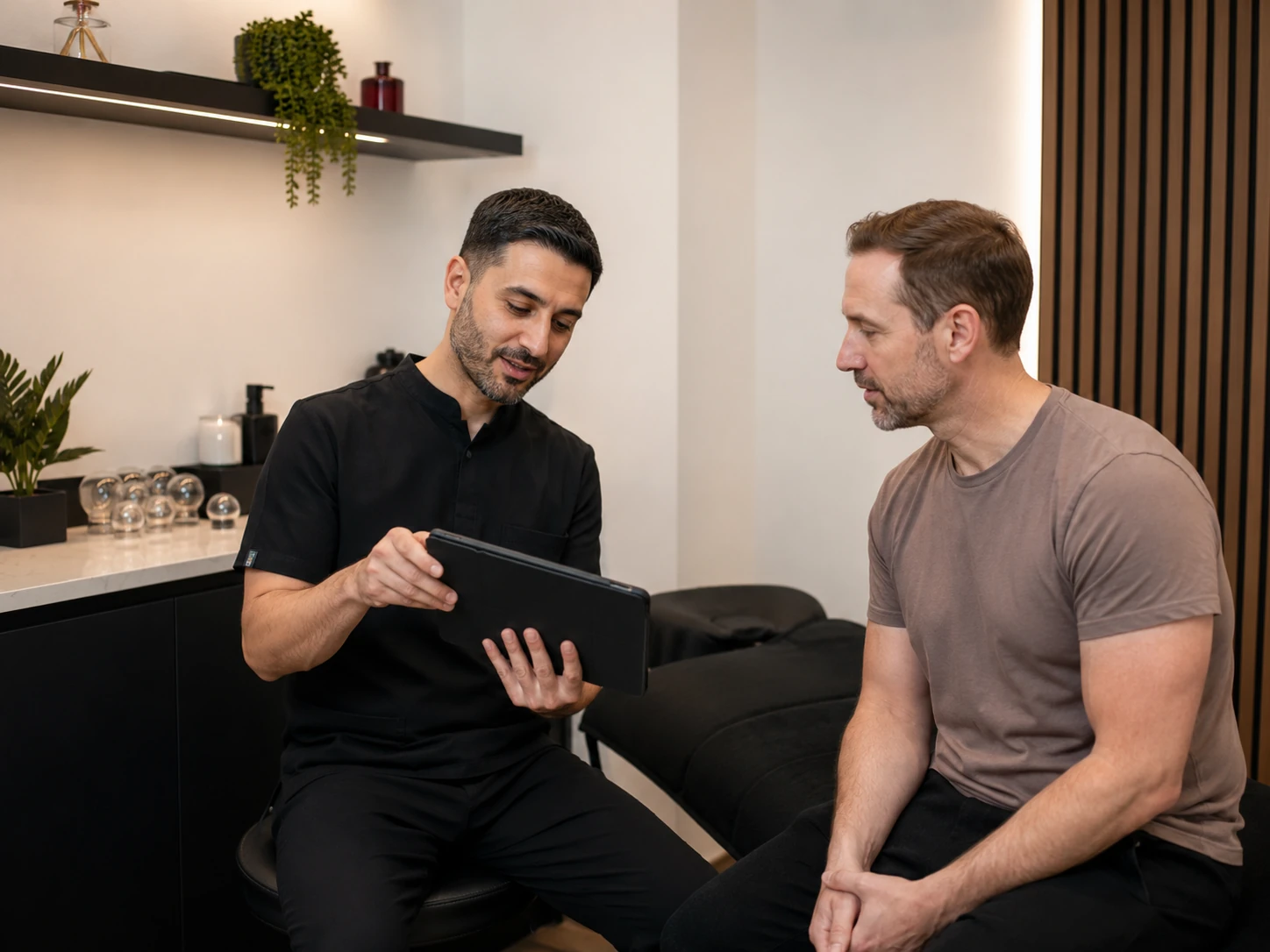
A practitioner does not lose credibility by setting limits. In practice, the opposite is true. You should be able to ask what the treatment can realistically do, what evidence is uncertain, what the marks mean, what equipment is single use and when the practitioner would advise you not to book.
- They should explain wet cupping before asking for consent.
- They should screen relevant health information before treatment.
- They should not diagnose internal disease from a cup mark.
- They should not promise a cure.
- They should give clear aftercare and explain when to seek further help.
Those standards are more useful than dramatic claims because they help you make a decision you can actually trust.
Common questions
Does dark blood mean the treatment found a problem?
No. Blood colour and cup contents are not diagnostic tests. They should not be used to identify disease, organ dysfunction or a toxin level.
Can I still book Hijama if I have a medical condition?
Sometimes, but the condition, medication and reason for booking matter. Message before booking if you are unsure, and seek medical advice when your clinician needs to confirm suitability.
Is this page saying Hijama has no value?
No. It is saying that religious value, personal experience, complementary bodywork and medical claims are different categories. Hijama can be offered professionally without pretending it cures everything.