In this article
Red or purple marks after IASTM can look dramatic, but they are not a toxin map and they do not diagnose damaged tissue. Here is why skin responses vary, how long marks can last, what good treatment is actually aiming for and...
The short answer
Marks after IASTM muscle scraping are a visible skin response to mechanical pressure and friction. They can vary from temporary redness to darker areas that take several days to fade. The colour does not tell us how many toxins were released, which muscle is damaged or whether the treatment was successful.
The goal of IASTM is not to create the darkest possible mark. A useful treatment decision matters more than an impressive photograph.
Why IASTM can leave red or purple marks
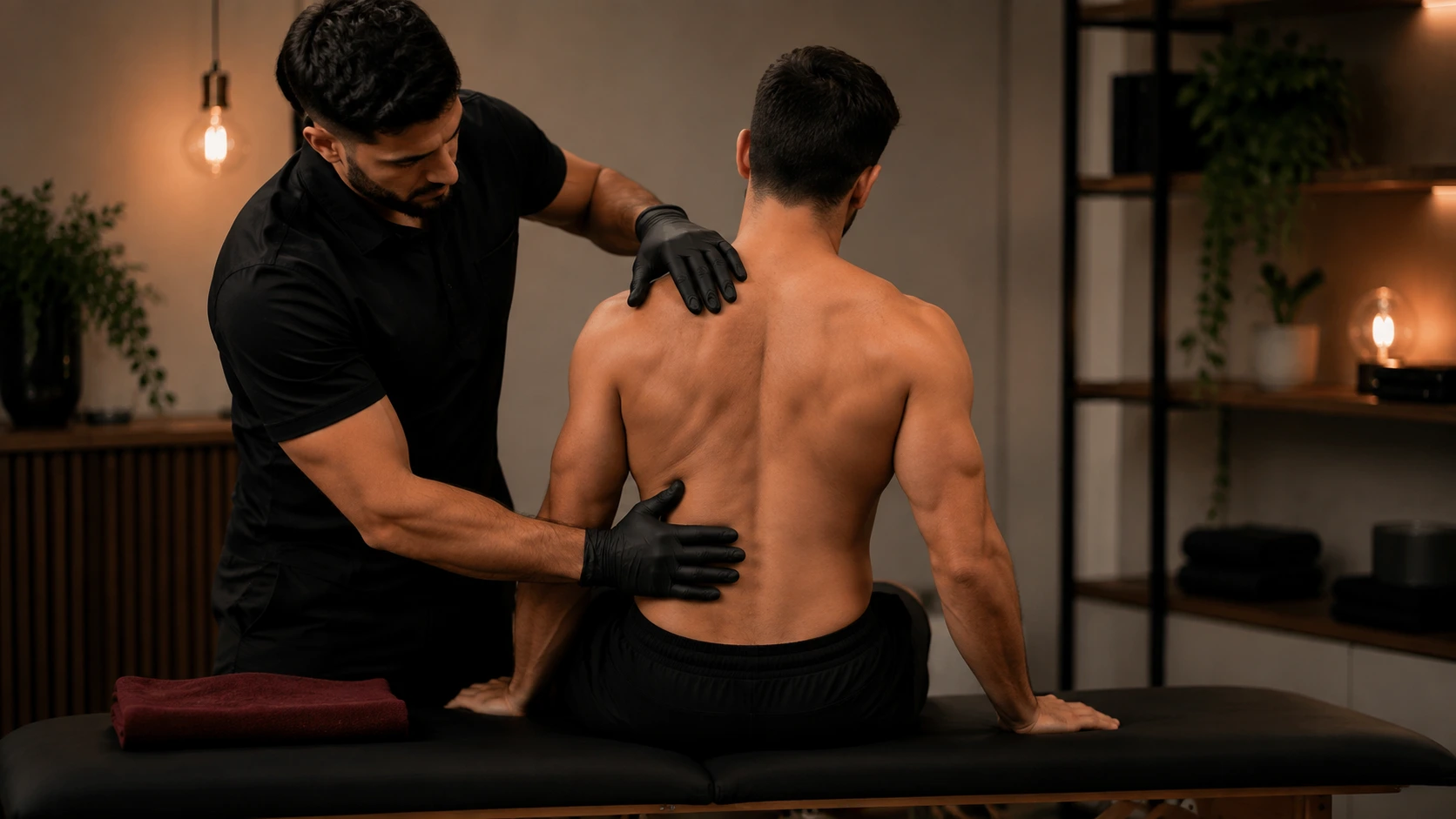
IASTM uses a smooth specialist tool over the skin while the practitioner changes angle, pressure and direction. The skin and superficial tissues respond to that mechanical input. Some areas become red quickly. Stronger or repeated work can leave small darker areas or mild bruising.
How visible the marks become can depend on:
- how much pressure was used;
- how long the tool stayed over one area;
- skin sensitivity and tendency to bruise;
- the body region being treated;
- medication and health factors;
- whether the area had already been irritated by training or another treatment.
Two clients can receive a similar session and show completely different marks.
Darker marks do not mean the area was “worse”
It is tempting to create a simple rule: darker colour equals more damage, more toxins or a more severe knot. That is not how we use the response.
If an area changes colour quickly, it may tell me to reduce pressure, move on or change the treatment input. It does not give me a diagnosis. The client’s history, movement, tenderness and goal remain more important than the photograph.
IASTM marks are a treatment response, not a scorecard. The session has not failed just because the skin stayed light.
Why one side can mark more than the other
Asymmetry is common. One side may be more sensitive, receive slightly different pressure or simply respond differently. It may also fit a wider workload pattern if one side has been doing more during work or training.
What we should not do is jump from “the left side went redder” to “the left side is injured”. If you are interested in that pattern, read our guide on why one side can feel tighter than the other.
How long should scraping marks last?
Light redness can settle within hours. More visible marks may last several days. Individual skin type, pressure and treatment area all affect the timeline.
Do not keep scraping the same visibly irritated area every day in an attempt to make it “release more”. The skin needs time to settle. If a follow-up session is planned, the practitioner should consider how the area has recovered rather than treating by calendar alone.
What normal after-treatment soreness feels like
A treated area can feel tender, warm or mildly sore for a short period, especially after firm manual work combined with IASTM. That should be distinguished from severe pain, blistering, spreading swelling or a strong skin reaction.
Follow the aftercare advice given at the session. Avoid aggressive rubbing or repeated self-scraping over the marks. Keep the area comfortable and allow it to settle.
When should you contact the practitioner?
Contact the practitioner if the reaction is much more severe than you expected, if you develop blistering, significant swelling, intense pain, a spreading rash or another skin change that concerns you. Seek appropriate medical advice for severe or worsening symptoms.
Before treatment, tell the practitioner if you bruise very easily, take blood-thinning medication, have a bleeding disorder or have a skin condition in the area being treated.
No marks does not mean IASTM “did nothing”
Good treatment does not require bruising. A lighter session may be exactly what is appropriate before training, on a sensitive client or on an area that does not tolerate heavy pressure well.
Likewise, a dramatic colour change does not prove the session was more effective. Chasing marks can encourage unnecessarily aggressive treatment.
What IASTM is actually used for in our sessions
IASTM is one tool inside Muscle Recovery. It can be useful when a smaller region responds better to a tool than to more hand pressure, or when we want a different input after hands-on work. It may be used around calves, hamstrings, glutes, upper back, shoulders or other muscular areas where appropriate.
It is not automatically used on every client. Some sessions are better with hands-on work and dry cupping only. The treatment should follow the problem, not a checklist of techniques.
See the IASTM Muscle Scraping guide for the full method, or the Muscle Recovery page to see how it is combined with other techniques.
What matters more than the mark
I care more about whether the area tolerated the session, whether the treatment fitted the client’s goal and whether the person can do what they need to do afterwards. A visible mark is easy to photograph. A sensible decision about pressure, timing and treatment choice is more important.
If you have a competition, holiday, photoshoot or another reason visible marks matter, tell us before treatment. We can adjust the method instead of surprising you afterwards.
Common questions
Are IASTM scraping marks bruises?
They can include temporary redness and small areas of bruising. The appearance varies. We do not interpret the colour as a toxin reading or diagnosis.
Should muscle scraping hurt?
It can feel intense on a sensitive area, but the aim is not maximum pain. Pressure should be adjusted throughout the session.
Can I train with scraping marks?
It depends on the treatment intensity, area and your next session. Tell the practitioner what training you have planned so the treatment can be timed appropriately.